
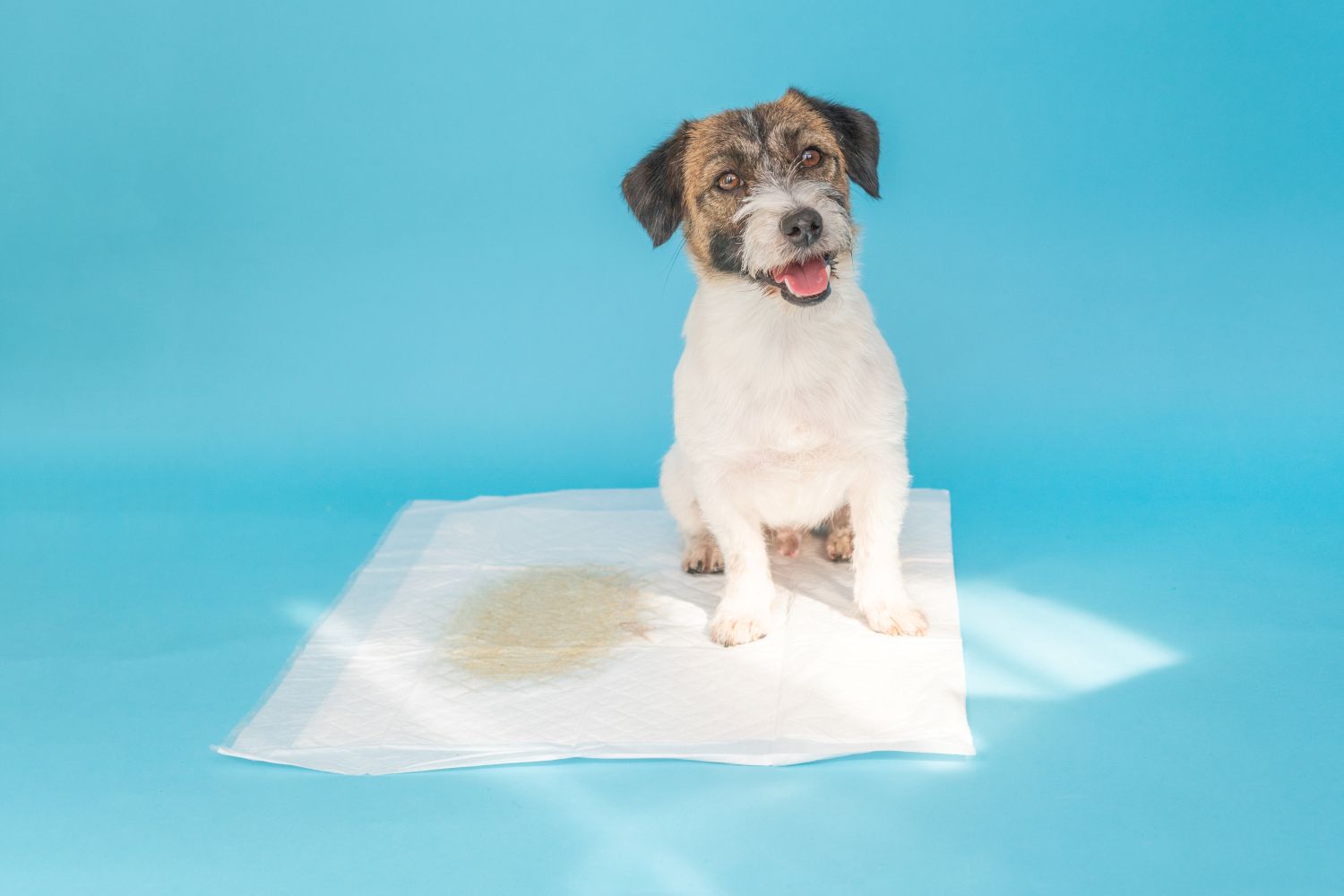
Welcoming a pet into your home is an exciting adventure, but it also comes with responsibilities, especially when it comes to keeping your living space safe and tidy. Pet-proofing your home is essential to prevent accidents, protect your belongings, and ensure your furry friends have a safe environment to thrive. In this guide, we’ll explore simple yet effective solutions to pet-proof your home, making it a haven for both pets and their owners.
1. Secure Hazardous Items
Lock Away Cleaning Supplies
Many common household cleaning products are toxic to pets. Store these items in high cabinets or locked storage to prevent accidental ingestion. Be sure to include:
- Bleach and Disinfectants: These can cause severe harm if ingested.
- Laundry Detergents: Pods can be particularly dangerous as pets might mistake them for toys.
- Pesticides: Ensure these are stored safely away from curious paws.
Keep Medications Out of Reach
Human medications can be fatal to pets. Store all medications, including over-the-counter drugs, in cabinets out of reach. If you have visitors, remind them to keep their bags and purses closed.
2. Create Safe Spaces
Designate Pet Areas
Establish specific areas in your home where pets are allowed. Use baby gates or pet barriers to restrict access to certain rooms, such as the kitchen or home office, where potential hazards may be present.
Choose Pet-Friendly Furniture
Opt for furniture made from durable materials that can withstand scratches and spills. Leather or microfiber fabrics are often easier to clean than traditional upholstery. Additionally, consider selecting furniture with removable, washable covers.
3. Tidy Up the Outdoors
Secure Fencing
If you have a yard, ensure that your fencing is secure and tall enough to prevent your pet from escaping. Regularly check for gaps or weak spots that could allow your pet to slip through.
Remove Toxic Plants
Many common garden plants are toxic to pets. Research which plants are safe and remove any that could pose a risk. Some common toxic plants include:
- Lilies: Highly toxic to cats.
- Azaleas: Can cause vomiting and diarrhea.
- Sago Palms: Extremely toxic and can lead to liver failure.
4. Manage Cords and Wires
Hide Electrical Cords
Pets, especially puppies, love to chew on cords, which can lead to dangerous situations. Use cord covers or cable management systems to conceal and secure electrical cords. Alternatively, you can use bitter-tasting sprays on cords to deter chewing.
Organize Cables
Keep cables organized and out of reach by using cable clips or zip ties to bundle them together. This not only protects your pet but also keeps your space looking tidy.
5. Prevent Accidental Ingestion
Store Food Securely
Keep pet food in airtight containers and store them in cabinets or elevated shelves to prevent your pet from accessing them. Be mindful of human food as well; many items, such as chocolate, grapes, and onions, can be toxic to pets.
Use Childproof Latches
For cabinets containing hazardous items, consider installing childproof latches. This extra layer of security can prevent pets from opening cabinets and accessing dangerous substances.
6. Protect Your Floors and Surfaces
Use Area Rugs
Area rugs can help protect your floors from scratches and stains caused by pet accidents. Choose rugs that are easy to clean and durable. Additionally, place mats under food and water bowls to catch spills.
Train Your Pet
Invest time in training your pet to understand where they are allowed to go and what behaviors are acceptable. Positive reinforcement techniques can help reinforce good habits, reducing the likelihood of messes.
7. Create a Pet-Friendly Environment
Provide Enrichment
Boredom can lead to destructive behavior. Provide your pet with toys, puzzles, and interactive games to keep them engaged. Rotate toys regularly to maintain their interest and prevent boredom.
Establish a Routine
Establishing a consistent routine for feeding, exercise, and playtime can help reduce anxiety and destructive behaviors. A well-exercised pet is less likely to engage in unwanted activities.
Conclusion
Pet-proofing your home is an essential step in creating a safe and welcoming environment for your furry friends. By securing hazardous items, managing cords, creating designated areas, and providing enrichment, you can prevent accidents and unwanted messes while ensuring your pets thrive. Remember that each pet is unique, so adjust your pet-proofing strategies based on their specific behaviors and needs. With a little effort and foresight, you can enjoy a harmonious home where both pets and humans coexist happily.
