
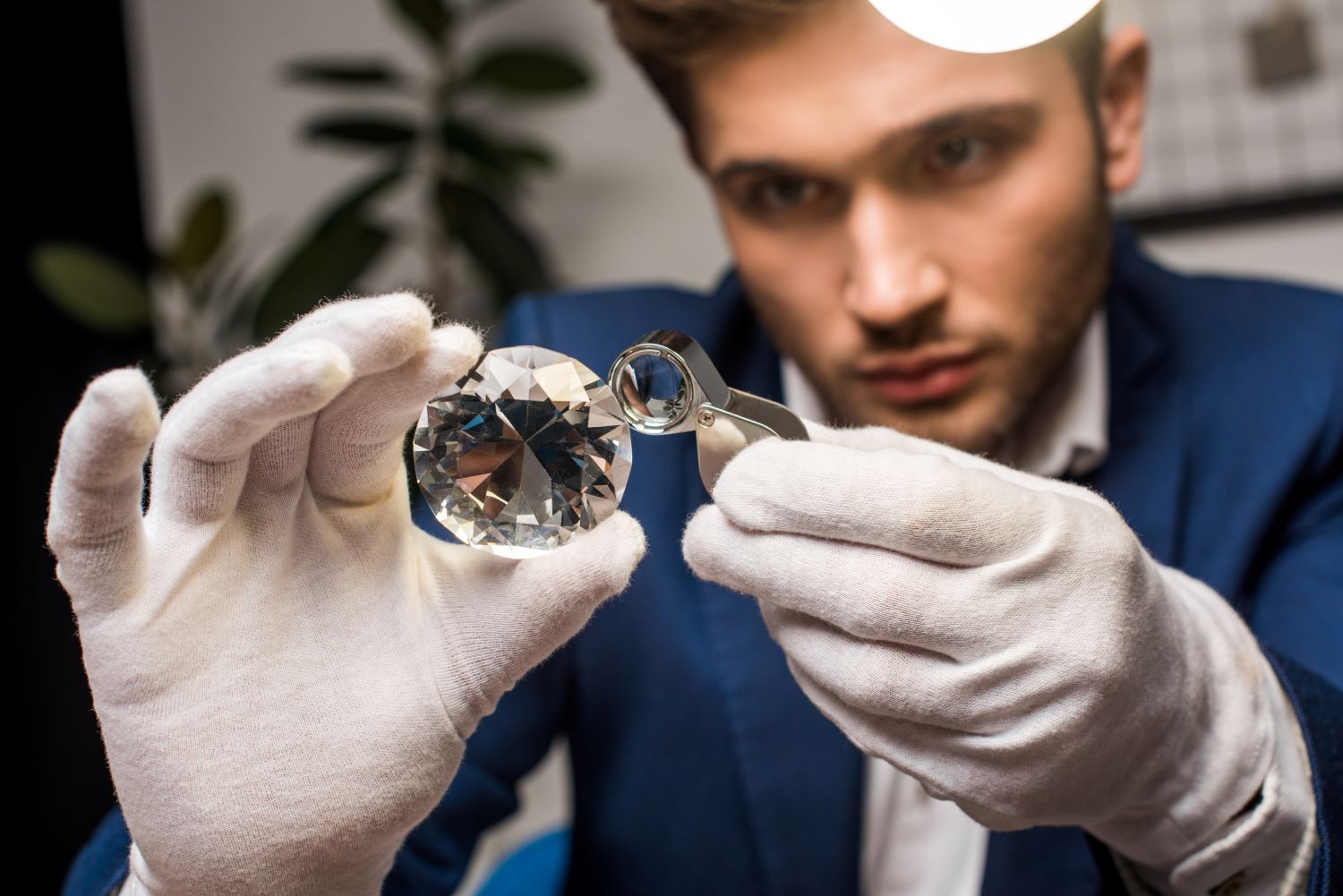
When shopping for a diamond, many buyers focus on size first. Carat weight, however, is not just about how big a stone looks—it has a major impact on diamond price. While cut, color, and clarity also matter, carat weight plays a unique role in determining both value and perception. Understanding why carat weight influences cost so heavily will help you make smarter choices when selecting the perfect stone.
Carat Weight and Rarity
The main reason carat weight affects diamond price is rarity. Larger diamonds are naturally harder to find in mines. For example, a two-carat stone is far less common than two one-carat stones combined. This scarcity increases demand and makes bigger stones significantly more expensive, even when quality factors are similar.
The Price Jumps Are Not Linear
A common misconception is that diamond price increases evenly with weight. In reality, prices rise exponentially at certain carat thresholds. For example, a 1.00-carat diamond may cost much more than a 0.90-carat stone, even if they look almost identical to the naked eye. These psychological “magic numbers” like 1.0, 1.5, and 2.0 carats create steep price jumps because of consumer demand and perceived prestige.
Carat Weight vs. Visual Size
Another factor is how carat weight translates into size. While weight measures mass (1 carat = 0.2 grams), not every stone looks proportionally larger as weight increases. For example, a poorly cut 1.2-carat diamond may appear smaller than a well-cut 1.0-carat stone. This is why cut quality should never be ignored, even though carat weight heavily drives diamond price.
Market Psychology and Prestige
Carat weight also ties into status. A larger diamond is often seen as more luxurious, even if clarity or color is lower. This cultural perception pushes buyers to pay premiums for higher weights, further inflating diamond price. Jewelers understand this psychology and price accordingly, making weight one of the strongest influences on value.
How to Shop Smart
If you want the most beauty for your budget, consider buying just under the key thresholds. For example:
- A 0.90-carat stone instead of a 1.0-carat.
- A 1.45-carat instead of a 1.5-carat.
Visually, the difference is minimal, but the savings can be substantial. Pairing slightly lower weight with excellent cut quality ensures your diamond looks brilliant without paying a premium for the milestone number.
Final Thoughts
Carat weight has an outsized effect on diamond price, driven by rarity, market psychology, and consumer demand. While bigger stones are undeniably appealing, price jumps at key weights often outweigh the visual difference. By balancing carat weight with cut, clarity, and color, you can find a diamond that shines just as brightly—without stretching your budget unnecessarily.
